How Rheumatoid Arthritis Affects Your Spine and Causes Back Pain
Causes of Back Pain from Rheumatoid Arthritis
To understand how rheumatoid arthritis (RA) causes spinal discomfort, we have to look at the unique anatomy of the spine. RA is an autoimmune disease that targets the synovium—the thin membrane lining fluid-filled joints. Wherever synovial joints exist, RA can strike.
In the spine, true synovial joints are concentrated heavily in the neck—specifically the top two vertebrae, C1 (the atlas) and C2 (the axis)—as well as the small facet joints that connect vertebrae throughout the spinal column. When RA becomes active, white blood cells flood the synovium, causing severe inflammation (synovitis). Over time, this chronic swelling forms tissue called pannus, which releases enzymes that erode joint cartilage and surrounding bone.
While direct autoimmune attack is common in the upper neck, back pain from rheumatoid arthritis in the mid or lower back often develops through secondary mechanisms. When peripheral joints like hips, knees, or ankles are inflamed, your gait shifts. Walking with a limp or altering your posture puts unnatural mechanical strain on the lower spine, accelerating joint wear and causing deep muscular aching. For more insight into these patterns, explore RA Back Pain: Prevalence, Symptoms, Diagnosis, and Treatment.
Cervical Spine Involvement and Neck Pain
The cervical spine (the upper neck) is by far the most frequent target of direct RA joint damage. In fact, roughly half of all individuals with RA experience active inflammation in their cervical facet joints.
The structural impact is especially dangerous at the C1-C2 junction. Unlike the rest of the spine, C1 and C2 lack intervertebral discs; instead, they rely entirely on synovial joints and robust ligaments to rotate your head. When systemic inflammation weakens these transverse ligaments, the C1 vertebra can slip forward over C2—a condition known as atlantoaxial subluxation.
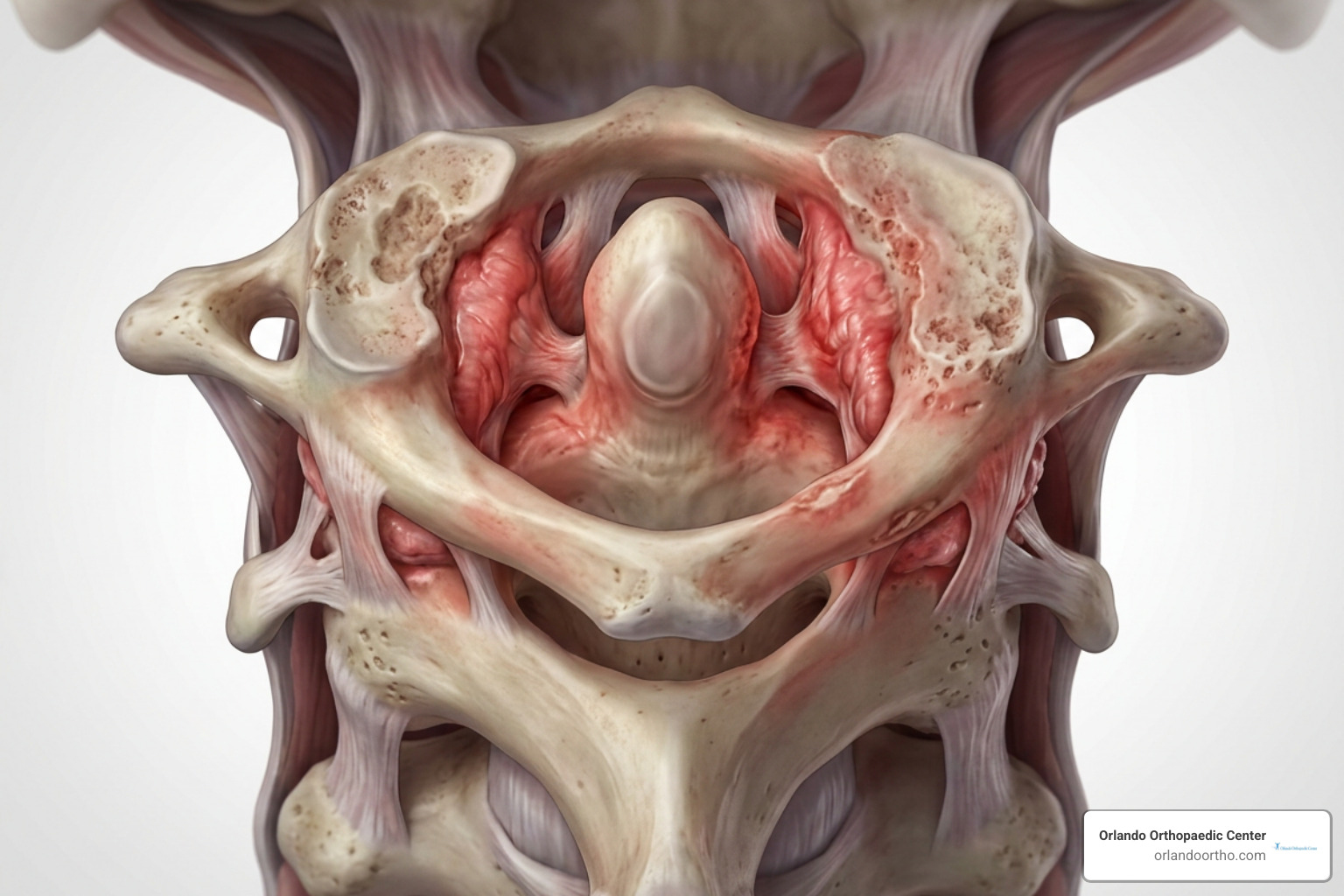
Common symptoms of cervical spine involvement include:
- A grinding or crunching sensation (crepitus) when turning the head.
- Severe stiffness radiating into the base of the skull, shoulders, or upper back.
- Deep, throbbing headaches starting at the occipital region.
- Radiation of pain down into the arms.
If bone erosion becomes severe, the skull can sink downward onto the top of the spine (cranial settling). Left unchecked, these structural shifts can cause spinal cord compression, leading to serious neurological complications.
Lower Spine Changes and Back Pain from Rheumatoid Arthritis
Unlike the neck, the lower lumbar spine consists mostly of massive intervertebral discs, which are non-synovial and rarely attacked directly by RA. However, research highlights that up to 65.5% of people with RA report low back pain, and nearly 33% endure chronic lumbar aching.
Why does the lower back hurt if RA doesn’t attack lumbar discs directly?
- Facet Joint Hypertrophy: The back of each lumbar vertebra features small, synovial-lined facet joints. Chronic systemic inflammation can cause synovial swelling in these joints, leading to facet joint syndrome and localized lower back pain.
- Disease Activity Scores: Studies demonstrate that severe low back pain correlates directly with a high Disease Activity Score (DAS28-ESR). High systemic disease activity lowers overall pain tolerance and amplifies active tissue inflammation.
- Sacroiliac Joint Inflammation: The sacroiliac (SI) joints connect the lower spine to the pelvis. While classic sacroiliitis SI joint pain is more common in other forms of inflammatory arthritis, RA-driven inflammation can irritate these joints, causing deep aching in the buttocks and lower back.
- Altered Gait and Muscle Fatigue: Limping due to inflamed ankles, knees, or hips alters natural spinal alignment, causing severe lower back muscle spasms.
Researchers exploring the Factors Associated with Dysfunctional Low Back Pain in Patients with Rheumatoid Arthritis have found that MRI scans in RA patients frequently reveal facet joint synovial swelling (found in 80% of cases) and secondary disc bulges (in 65% of cases), confirming that systemic RA accelerates lumbar distress.
Differences Between RA Back Pain and Other Spinal Conditions
Because back pain is extraordinarily common in the general population, distinguishing back pain from rheumatoid arthritis from other common spinal issues is essential for effective treatment.
The primary difference lies between inflammatory pain (autoimmune driven) and mechanical pain (wear-and-tear or physical injury). Inflammatory back pain typically strikes when you are inactive. You might wake up in the middle of the night with severe aching or experience intense stiffness lasting longer than 60 minutes in the morning. Surprisingly, gentle movement often eases inflammatory pain.
Conversely, mechanical back pain usually worsens with physical exertion, bending, or lifting, and improves with rest.
| Symptom / Feature | Rheumatoid Arthritis (RA) | Osteoarthritis (OA) | Degenerative Disc Disease |
|---|---|---|---|
| Primary Cause | Autoimmune inflammation of synovium | Wear-and-tear breakdown of cartilage | Dehydration and collapse of spinal discs |
| Primary Spinal Location | Cervical spine (neck, C1-C2) | Lumbar & cervical facet joints | Lower back (lumbar) & neck |
| Morning Stiffness | Prolonged (often >1 hour) | Brief (usually <30 minutes) | Brief, noticeable upon waking |
| Impact of Activity | Improves with light movement | Worsens with prolonged activity | Worsens with sitting, bending, lifting |
| Resting Pain | Frequent; can disrupt sleep | Rare; usually relieved by rest | Varies; relieved by changing positions |
| Systemic Symptoms | Fatigue, mild fever, flare-ups | None (localized to joint) | None (localized to spine) |
Differentiating Osteoarthritis and Degenerative Changes
It is very common for people to develop age-related mechanical conditions alongside RA. Understanding the distinction ensures you receive the correct targeted therapy.
- Osteoarthritis (OA): Known as “wear-and-tear” arthritis, OA causes progressive loss of protective cartilage on joint ends. While RA is driven by systemic immune attacks, OA stems from mechanical friction over time. When it affects the back, it is categorized as general arthritis of the spine.
- Degenerative Disc Disease: Intervertebral discs are rubbery cushions between vertebrae. Over time, these discs lose water content, flatten, and lose shock-absorbing capacity. Learn more about degenerative disc disease to see how disc narrowing compresses nearby nerves.
- Spondylosis: This broad term refers to general age-related degeneration of the spine, often marked by bone spur formation. You can read details about spondylosis to understand how osteophytes alter joint mechanics.
Distinguishing Mechanical Issues and Sciatica
When structural breakdown in the lower spine compresses spinal nerves, it causes sharp, radiating pain that feels quite different from generalized RA inflammation.
If an intervertebral disc tears or bulges, it forms a disc herniation (review what is a herniated disc). If the herniated disc material presses against the sciatic nerve, it triggers burning pain, numbness, or electrical shocks traveling down through the buttock and leg. Understanding what causes sciatica helps clarify why radiating leg pain requires structural nerve decompression rather than just anti-inflammatory medication adjustments.
Prevalence and Risk Factors for RA Spinal Complications
How likely are you to experience spinal issues if you have rheumatoid arthritis? Research reveals clear trends:
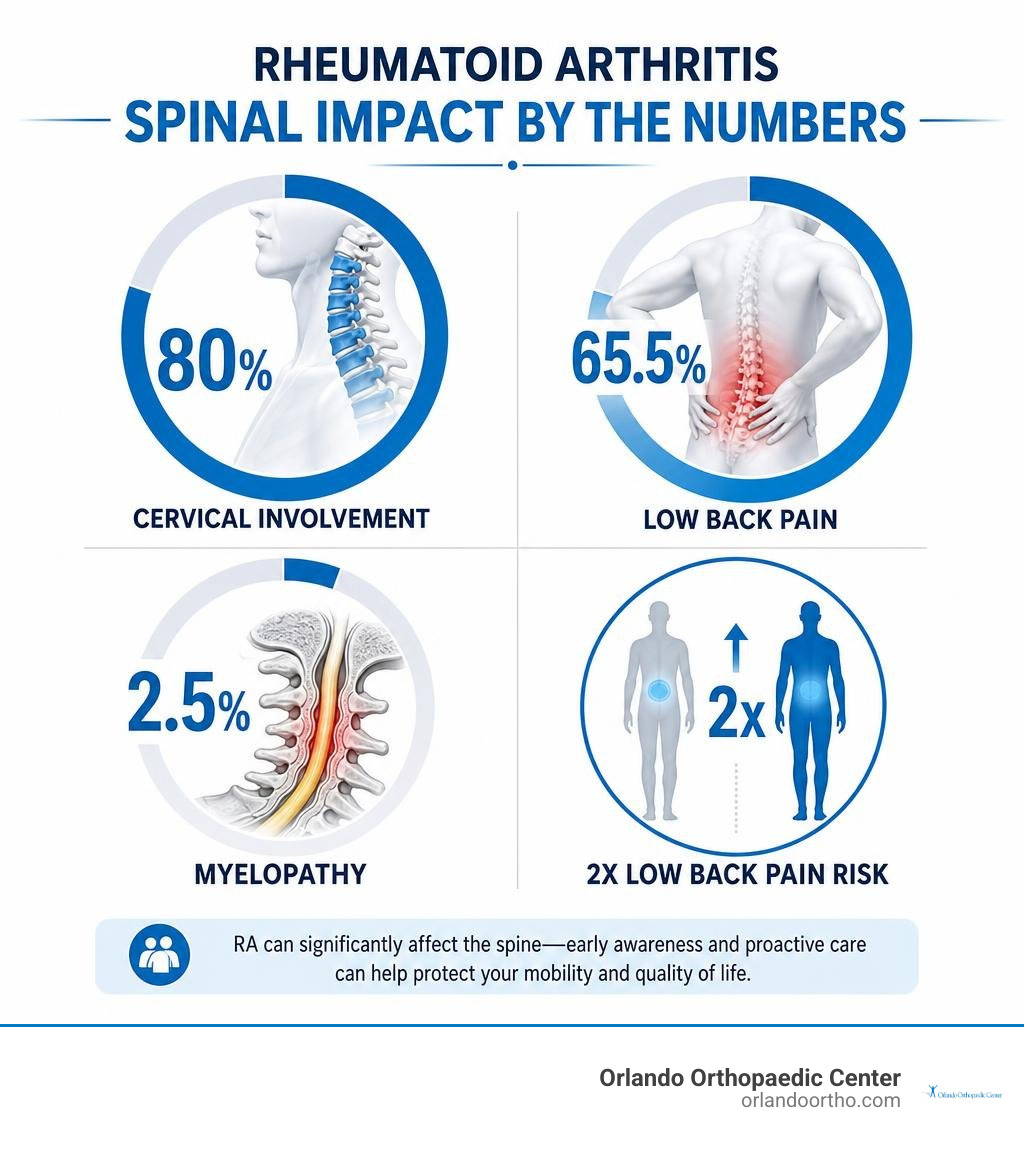
- Cervical Spine Involvement: Studies consistently show that over 80% of RA patients demonstrate radiographic evidence of cervical spine involvement over time.
- Low Back Pain Prevalence: Cross-sectional research indicates that between 33% and 65.5% of individuals with RA live with coexisting lower back pain. In fact, having RA roughly doubles the risk of developing low back pain compared to the general population.
- Cervical Myelopathy: Approximately 2.5% of people with RA develop cervical myelopathy—a severe form of spinal cord compression caused by neck instability.
Several specific clinical and lifestyle factors increase your risk of developing severe back pain from rheumatoid arthritis:
- High Systemic Disease Activity: High DAS28-ESR scores are strongly linked to severe low back pain. Interestingly, research shows that severe LBP in RA is driven more by systemic disease activity than by plain X-ray findings. High inflammation heightens central pain sensitivity throughout the body.
- Corticosteroid Usage: Long-term use of oral corticosteroids (like prednisone) to manage RA flares weakens bone density, causing osteoporosis. This dramatically raises the risk of painful vertebral compression fractures.
- Current Smoking Habit: Smoking is a well-established risk factor for RA severity. Studies demonstrate that current smokers with RA have a 3-fold higher risk of suffering severe low back pain compared to non-smokers.
- Elevated BMI: Higher body mass index increases systemic inflammatory markers while adding physical load to the lumbar spine, aggravating joint strain.
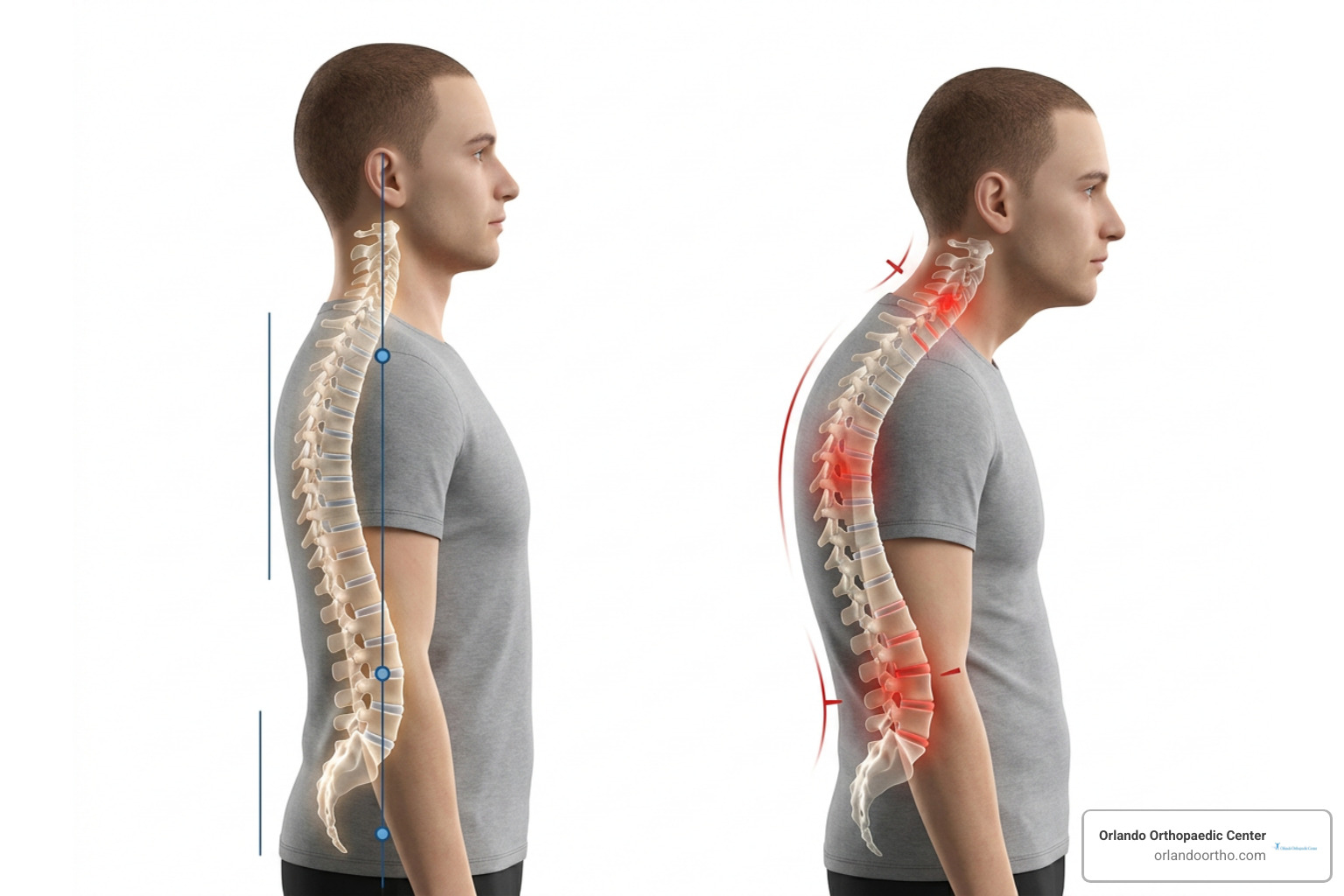
Diagnostic Methods and Identifying Warning Signs
Accurately pinpointing the source of spinal discomfort requires a thorough medical workup, combining clinical evaluation, lab work, and imaging.
- Physical Examination: A physician evaluates spinal range of motion, palpatory tenderness over facet joints, reflex responses, muscle strength, and gait alignment.
- Blood Markers: Lab tests check for markers of active systemic inflammation and autoimmune reactivity:
- Rheumatoid Factor (RF) and Anti-Cyclic Citrullinated Peptide (anti-CCP): Autoantibodies confirming RA diagnosis. Anti-CCP is highly specific for aggressive RA forms.
- C-Reactive Protein (CRP) and Erythrocyte Sedimentation Rate (ESR): Inflammatory markers that correlate directly with active flares and spinal pain intensity.
- Plain Radiographs (X-rays): Standard lateral, flexion, and extension X-rays of the neck reveal joint space narrowing, bone erosions, and atlantoaxial subluxation when bending forward.
- Magnetic Resonance Imaging (MRI): MRI scans provide detailed images of soft tissue, revealing early synovial swelling, pannus formation, disc bulges, and subtle spinal cord irritation before permanent structural damage appears.
While diagnostic evaluations are routine for adults, evaluating back discomfort in younger populations requires distinct protocols (see our guide on diagnosing back pain in children).
If you are unsure whether your symptoms warrant an immediate appointment, reviewing is back pain serious can help you evaluate red-flag symptoms.
Recognizing Cervical Myelopathy and Neurological Symptoms
Because cervical instability can compress the spinal cord, patients must stay vigilant for signs of cervical myelopathy. When the spinal canal narrows significantly, it compromises nerve transmission to the rest of the body (explore what is spinal stenosis to understand canal narrowing mechanisms).
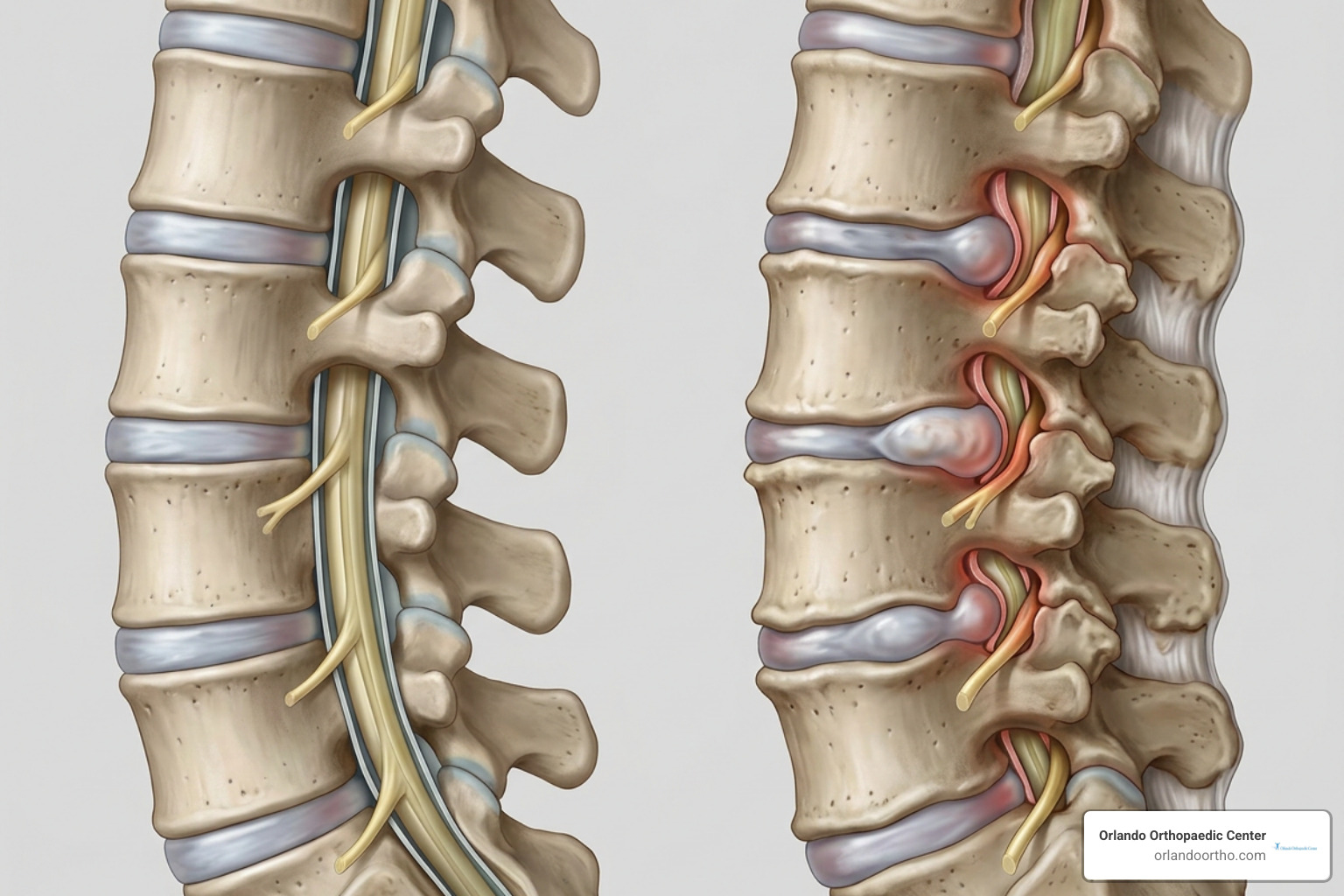
Red-Flag Symptoms Requiring Urgent Medical Evaluation:
- Progressive numbness, tingling, or weakness in both hands or arms.
- Sudden loss of fine motor skills (e.g., struggling to button a shirt, write, or tie shoes).
- Feeling unsteady on your feet or losing balance when walking (gait ataxia).
- Lhermitte’s sign: An electric shock-like sensation shooting down the spine or legs when flexing the neck forward.
- Loss of bowel or bladder control.
These symptoms indicate that slipping vertebrae or pannus tissue are compressing the spinal cord. Left untreated, permanent neurological damage can result.
Medical Treatments and Self-Care Strategies
Managing back pain from rheumatoid arthritis requires a comprehensive strategy combining medical therapies that control systemic inflammation with local conservative treatments and daily self-care habits.
Medical Therapies (DMARDs and Biologics)
The foundation of RA spinal care is aggressive control of systemic inflammation.
- Disease-Modifying Anti-Rheumatic Drugs (DMARDs): Medications like methotrexate remain the first-line defense to slow RA progression and prevent joint erosion.
- Biologic Agents and JAK Inhibitors: Targeted therapies (such as TNF inhibitors) block specific inflammatory pathways, reducing pannus formation and protecting fragile cervical structures.
- NSAIDs and Corticosteroids: Nonsteroidal anti-inflammatory drugs provide temporary symptom relief during flares, while short courses of oral steroids rapidly suppress acute inflammation.
To explore the full spectrum of non-surgical pain management options, browse our pain management category.
Managing and Treating Back Pain from Rheumatoid Arthritis
When targeted medication alone does not fully resolve spinal discomfort, specialized interventional and physical therapies offer significant relief:
- Targeted Spinal Injections: When localized facet joint or SI joint inflammation causes persistent pain, precise fluoroscopic-guided injections deliver immediate relief. Read what is a steroid injection to learn how corticosteroid injections calm inflamed nerve tissue.
- Physical Therapy and Gentle Exercise: Targeted physical therapy strengthens core muscles that support the spine, reducing mechanical stress on vulnerable joints. Low-impact exercises—such as swimming, stationary cycling, or walking—keep spinal joints mobile without excessive impact.
- Ergonomic Support: Simple changes make a major difference. Using supportive lumbar rolls, working at height-adjustable standing desks, and avoiding prolonged static sitting dramatically reduce lumbar strain.
- Heat and Cold Therapy: Applying warm heat packs relaxes tight back muscles and eases morning stiffness. Cold ice packs wrapped in towels calm acute hot flares and localized joint swelling.
- Stress Reduction and Sleep Hygiene: Chronic pain elevates stress hormones like cortisol, exacerbating tissue inflammation. Mindfulness techniques, gentle restorative yoga, and cognitive behavioral therapy (CBT) help break the chronic pain cycle.
- Advanced Low-Dose Radiation Therapy: For chronic localized joint pain unresponsive to standard measures, emerging therapies like low-dose radiation can provide relief (learn about relieving chronic pain ldrt).
For more insights into managing inflammatory back discomfort, consult Rheumatoid arthritis back pain: Treatment, symptoms, and causes.
Frequently Asked Questions
Can rheumatoid arthritis directly attack the lower lumbar spine?
It is relatively rare for rheumatoid arthritis to directly attack the lower lumbar spine via autoimmune joint destruction, primarily because lumbar structures consist largely of intervertebral discs rather than true synovial joints. However, RA can directly affect the small synovial-lined facet joints on the back of lumbar vertebrae. Most lower back pain in RA patients stems from indirect causes—such as altered walking gait due to peripheral joint pain, high overall systemic disease activity (DAS28), muscle strain, or osteoporotic compression fractures.
How does RA back pain differ from routine mechanical back ache?
RA back pain is inflammatory, meaning it is driven by systemic autoimmune activity rather than physical wear-and-tear. Inflammatory back pain tends to be worst in the morning or after periods of rest, often causing stiffness lasting over an hour. It frequently improves with light physical movement. Routine mechanical back pain typically gets worse with heavy physical exertion, heavy lifting, or bending, and improves significantly when lying down and resting.
When should someone with RA seek urgent medical evaluation for back pain?
Urgent medical evaluation is necessary if neck or back pain is accompanied by neurological symptoms such as tingling, numbness, or weakness shooting into the arms or legs. Immediate emergency care is required if you experience balance loss, frequent stumbling, loss of fine motor skills in your hands, or sudden difficulty controlling your bowel or bladder. These warning signs suggest severe cervical spine instability or spinal cord compression (cervical myelopathy).
Conclusion
Living with back pain from rheumatoid arthritis presents unique challenges, but you do not have to navigate it alone. Because spinal symptoms can stem from direct neck joint inflammation or indirect lower back mechanical strain, an accurate diagnosis is the cornerstone of effective relief.
At Orlando Orthopaedic Center, our team provides comprehensive spine care across multiple Central Florida locations. By combining advanced diagnostic imaging with multidisciplinary care—collaborating closely with your rheumatology team—we create customized treatment plans tailored to your specific needs. From conservative physical therapy and targeted spinal injections to advanced surgical interventions when necessary, our goal is to restore your mobility and relieve your pain.
If back pain is interfering with your daily life, take the first step toward relief. Explore our expert spine specialist services or visit one of our walk-in clinics to consult with a specialist today.