Plantar Fascia Brace Options for Instant Heel Support and Pain Relief
Understanding Heel Pain and How a Plantar Fascia Brace Helps
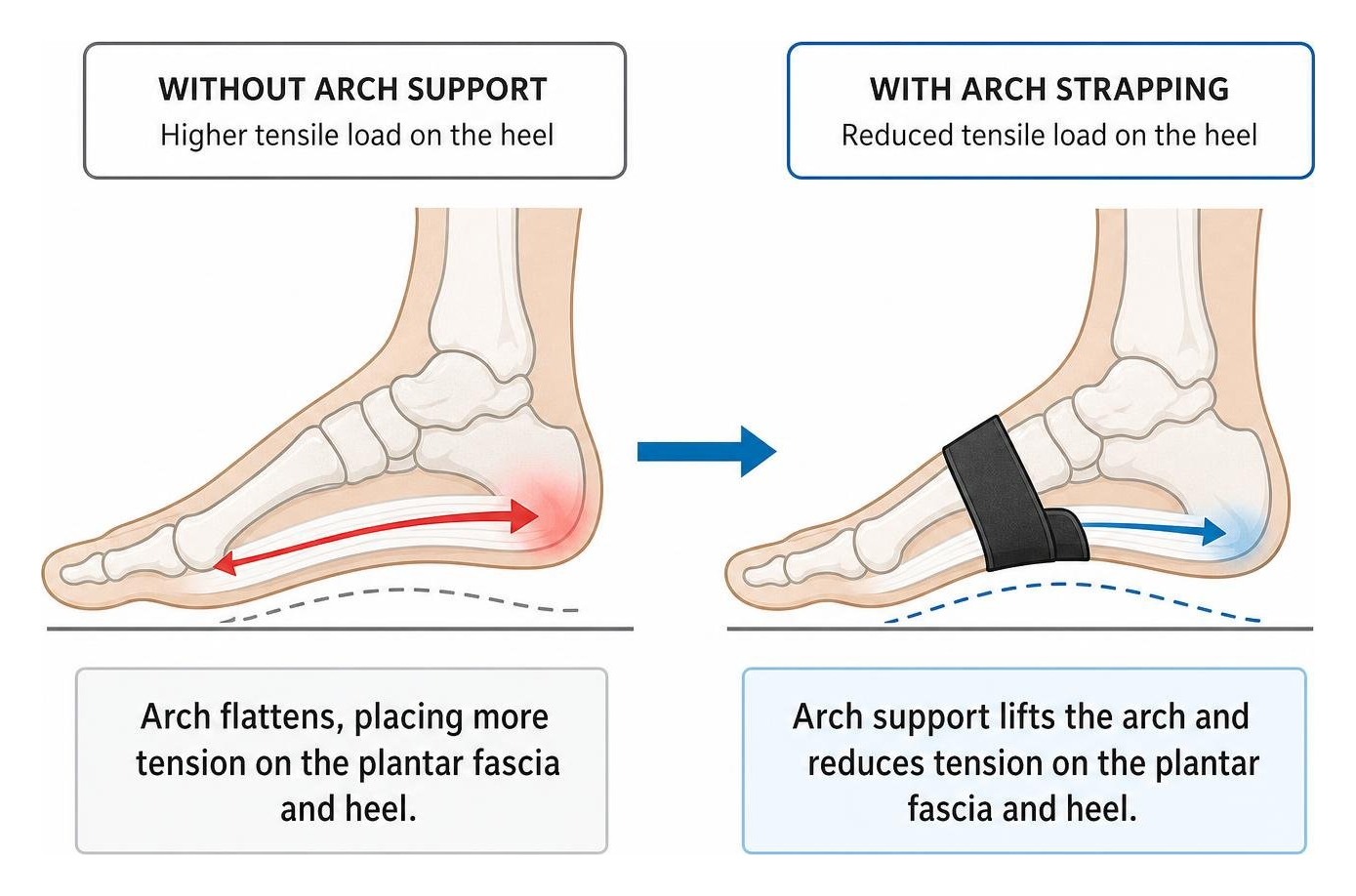
A plantar fascia brace relieves heel pain by lifting the arch and offloading tensile strain from the bottom of your foot. Instead of allowing your arch to flatten and pull painfully against the heel bone with every step, an active support stabilizes your foot mechanics and redistributes impact forces. By reducing this continuous pulling during daily movement, a brace gives irritated soft tissue the breathing room it needs to heal while keeping you on your feet.
Understanding what causes pain in the heel of the foot starts with the plantar fascia—a thick band of tissue running along the bottom of your foot that connects your heel to your toes. Repetitive strain from sudden increases in exercise, unsupportive sandals, or standing for hours on hard Central Florida concrete can create tiny micro-tears near the heel attachment. In severe or chronic cases where high tension continues without rest, a patient may even develop a partially torn plantar fascia, which causes persistent aching and makes everyday walking difficult.
Comparing the Main Types of Braces and Supports
Finding the right support comes down to when your heel hurts most, how much support your daily routine demands, and what kind of footwear you wear.
| Support Type | Best Used For | Fit in Standard Shoes | Primary Benefit |
|---|---|---|---|
| Compression Sleeve | Desk jobs, light walking, mild swelling, low-impact gym sessions | Excellent (fits under regular socks) | Boosts circulation, reduces mild swelling, provides light arch awareness |
| Daytime Arch Brace | Long standing shifts, 10,000+ steps, safety boots, running | Good (requires loosening laces or roomier shoes) | Actively lifts the arch and offloads tension from the heel using straps |
| Night Splint | Sharp, stabbing morning pain during the first steps out of bed | Not for walking (sleep and rest only) | Holds the foot in a gentle stretch overnight to stop tissue tightening |
Compression Sleeves vs. Daytime Braces
A compression sleeve is a lightweight, elastic sock that delivers snug, graduated pressure—often in the range of 20 to 30 mmHg (millimeters of mercury, a standard measure of compression firmness). It slips easily into sneakers and dress shoes, making it a simple choice for managing end-of-day swelling and tired arches. The gentle pressure also improves proprioception, which is your body’s natural sense of joint position, helping your foot muscles work more efficiently.
For higher physical demands, an adjustable daytime support like a supportive ankle sleeve brace design adds targeted cross-strapping over the compression fabric. While a basic sleeve offers light comfort, a daytime brace uses these adjustable tension straps to physically lift your arch. This mechanical lift mimics physical therapy taping, keeping the band along the bottom of your foot from overstretching during heavy activity.
Choosing a Daytime Plantar Fascia Brace for Work and Exercise
Your work environment plays a big role in which daytime support works best:
- Desk and Mixed-Activity Roles: If you sit for long periods and experience stiffness when standing up, a thin compression sleeve paired with supportive everyday shoes usually provides enough comfort without crowding your toes.
- On-Your-Feet All Day (Healthcare, Hospitality, Retail): If your workday involves 10,000 or more steps on hard floors, choose a low-profile daytime brace with an adjustable arch strap. Rotating between two pairs of supportive work shoes during long shifts also gives the shoe cushioning time to bounce back.
- Work Boots and Safety Footwear: Industrial boots are stiff and have limited extra space. A thin compression sleeve combined with a firm arch-support insole fits best inside safety boots without rubbing pressure points against your skin.
- Running, Court Sports, and Exercise: Runners frequently deal with impact-related foot irritation. In our guide on diagnosing and treating common runner injuries, we highlight how dynamic daytime supports help stabilize your gait. A slim strap brace supports the arch as your foot pushes off the ground, reducing strain on both the heel and the Achilles tendon.
Night Splints and Stretch Boots for Morning Heel Stiffness
Why is heel pain almost always worse during the very first steps out of bed? When you sleep, your foot naturally relaxes into a downward pointing position (plantarflexion). In this relaxed state, the band along the bottom of your foot shortens and tightens. When you step out of bed, your full body weight suddenly forces that shortened band to stretch, creating sharp, stabbing pain.
Night splints use dorsiflexion therapy—holding your ankle and foot at a neutral 90-degree angle while you rest—to prevent that tissue from tightening overnight. There are two main styles:
- Dorsal Night Splints: These feature a molded plastic or aluminum stay running along the top of your foot and shin, leaving your heel and the bottom of your foot open. Options like adjustable night splint foot braces are lighter, cooler for warm Florida nights, and easier for back, stomach, and side sleepers to tolerate.
- Rigid Posterior Stretch Boots: These traditional boots support the back of your calf and the bottom of your foot with rigid plastic. While bulkier, they provide very secure immobilization for stubborn heel pain.
Start by wearing a night splint for 30 to 60 minutes while relaxing in the evening, then gradually progress to wearing it through the night. The goal is a gentle, pain-free stretch—never pull the straps so tight that your toes feel numb or uncomfortable.
Comprehensive Care: Combining Braces with Orthotics and Daily Therapy

A brace is a practical tool for taking stress off your foot, but full recovery works best when you combine bracing with simple daily habits.
Because the calf muscles, Achilles tendon, and plantar fascia connect along the back of the heel, tight calves pull directly on the bottom of your foot. Practicing daily Achilles stretching against a wall or using a looped towel while seated relieves that upward pull. Rolling the arch of your foot over a frozen water bottle for 5 to 10 minutes after work or exercise also calms irritated soft tissue.
Footwear is another critical piece of the puzzle. Adding supportive insoles to your shoes provides a firm foundation for everyday walking. If you are unsure which insert matches your foot shape, learning which type of insole is right for you can help you choose between rigid, semi-rigid, and cushioned arch supports.
While over-the-counter braces and sleeves offer quick, adjustable offloading, custom shoe inserts provide long-term, molded structural alignment tailored exactly to your foot’s unique contours. With consistent care, stretching, and proper arch support, most people experience steady improvement, with irritated tissues calming down over several months of conservative care.
When to Seek Orthopaedic Care for Heel and Arch Pain
While conservative at-home care helps most people, a brace should not be used to mask severe, worsening symptoms. You should schedule a professional medical evaluation if you notice any of these signs:
- Heel pain that does not improve after 6 to 8 weeks of daily bracing and stretching
- Inability to put weight on your foot during the day
- Numbness, tingling, or burning sensations radiating into your toes or ankle
- Visible swelling, warmth, or redness around the heel bone
- A sudden pop or sharp tearing sensation during exercise or walking
Our team provides comprehensive specialized foot and ankle care to accurately identify the root source of your heel discomfort. Using on-site diagnostic digital X-rays and musculoskeletal imaging, we rule out stress fractures, nerve entrapment, and tendon tears. From there, we design an individualized, non-surgical plan for treatment for plantar fasciitis that may include targeted physical therapy, custom orthotics, or advanced regenerative options.
Frequently Asked Questions About Plantar Fascia Support
How long should I wear a plantar fascia brace each day?
Wear daytime arch braces or compression sleeves during your most demanding activities—such as long work shifts, walks, or workouts. You do not need to wear daytime braces 24/7; allowing your foot time out of the brace lets your natural stabilizing muscles stay active. For night splints, aim to wear them through the night for 1 to 3 months, or until first-step morning pain resolves. Always inspect your skin after removing a brace to ensure there are no lasting red pressure marks or rubbing.
Can I wear a support brace inside my work boots or running shoes?
Yes. Most modern compression sleeves and slim strap braces have low profiles designed to fit into standard athletic shoes and boots. When wearing a brace, choose thin, moisture-wicking socks to prevent skin friction. You may need to loosen your shoelaces across the middle of your foot to make room for the extra fabric. If you have wide feet or wear tight-fitting dress shoes, a simple compression sleeve will fit more easily than a strap-based day splint.
What is the difference between a brace and custom shoe orthotics?
A dynamic brace uses elastic tension and adjustable straps to wrap around the foot and actively pull the arch upward, reducing tensile load on the soft tissues during activity. Custom orthotics are molded, medical-grade inserts made from an exact impression of your feet that sit inside your shoes to control foot mechanics and distribute body weight evenly. Braces and orthotics work well together: many patients use orthotics in their everyday work footwear and wear a lightweight sleeve or night splint for extra relief.
Conclusion
Living with sharp heel pain can turn simple daily tasks into frustrating hurdles. Finding the right combination of supportive daytime bracing, gentle overnight stretching, and proper footwear can help take the edge off your symptoms so you can get back to an active lifestyle.
If home remedies and over-the-counter braces are not giving you lasting relief, you do not have to navigate recovery alone. Orlando Orthopaedic Center’s surgeons treat bones, joints, and soft tissue. Our team is dedicated to getting to the root of your heel pain and helping you walk comfortably again. Reach out today to schedule expert care for plantar fasciitis at one of our convenient Central Florida locations.