Knee and Foot Pain Relief: Choosing the Right Doctor for You
Introduction
If you are wondering what doctor to see for knee and foot pain, an orthopaedic specialist or sports medicine physician is typically the best expert to consult. Because your lower body functions as a connected kinetic chain, an orthopaedic provider can diagnose and treat both joints as an integrated system.
When you feel an ache in your arch every morning or a sharp pinch in your kneecap when climbing the stairs at work, it can throw off your entire day. Soreness in your heel can make you limp, which throws off your normal stride and places awkward pressure on your knee. Over time, that slight change in how you step can lead to nagging joint inflammation and stiffness.
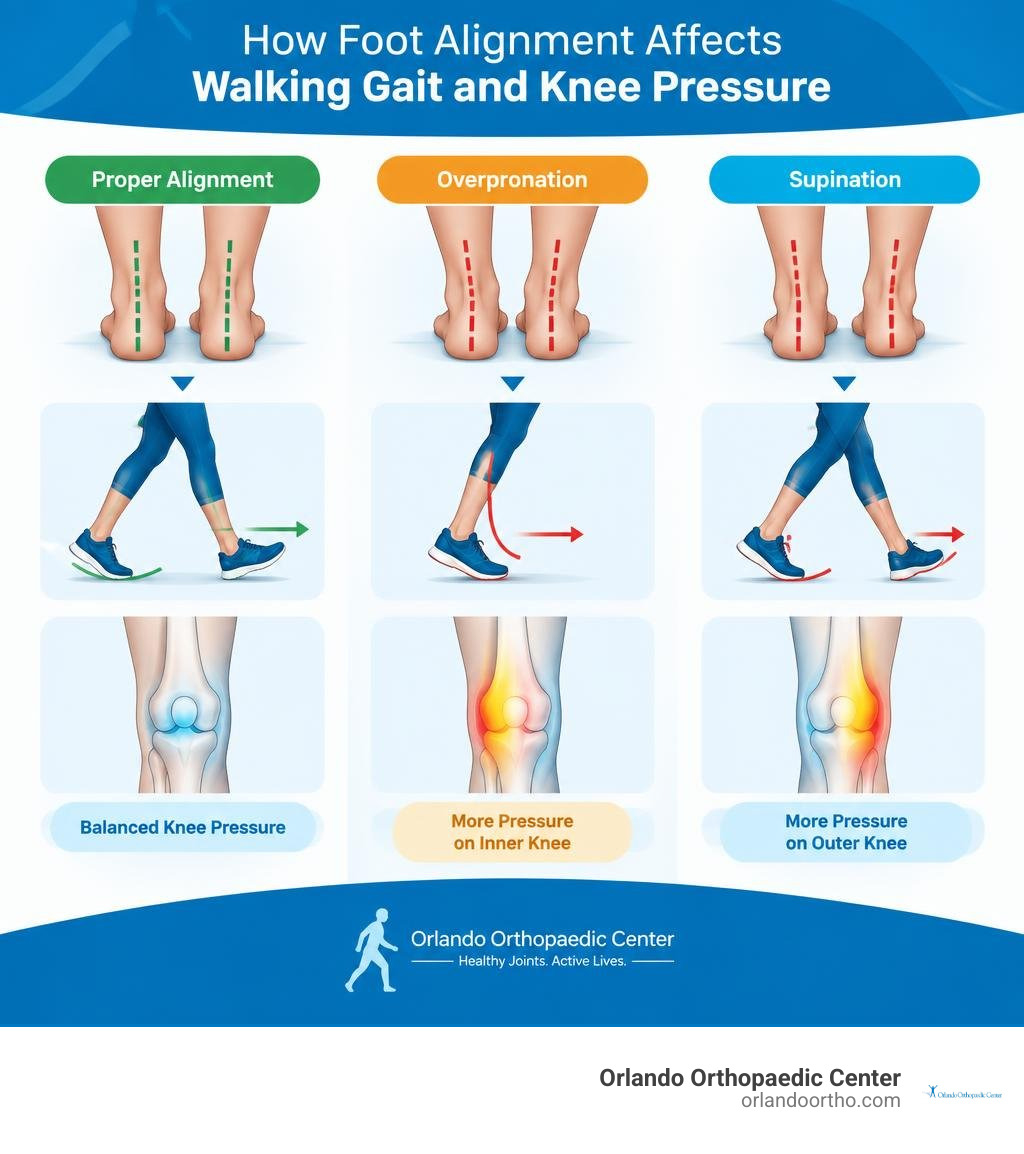
Understanding the connection between your joints makes finding the right care simple. Whether you are training for a local half-marathon, chasing your kids across the soccer field, or just trying to get through your workday comfortably, addressing joint trouble early helps you stay active and mobile.
What Doctor to See for Knee and Foot Pain
Navigating healthcare choices can feel overwhelming when your joints hurt. You might wonder whether your family doctor, a podiatrist, or an orthopaedic doctor is the best place to turn. Here is how these medical professionals differ and when you should consult each one.
- Orthopaedic Specialists: These providers focus entirely on the musculoskeletal system, which includes your bones, joints, ligaments, tendons, and muscles. An orthopaedic doctor has the specialized training to evaluate your lower body as a single moving unit. If your foot misalignment is triggering knee strain, a specialist can treat both problems under one roof. Practices with dedicated foot and ankle subspecialties and knee subspecialties offer deep expertise in everything from simple sprains to advanced joint reconstruction.
- Sports Medicine Physicians: These doctors focus on activity-related injuries, joint overuse, and movement mechanics. If you hurt yourself during sports, running, or gym workouts, a physician with a sports medicine specialty can build a recovery plan aimed at getting you back to your favorite activities safely.
- Primary Care Providers: Your general family doctor is a helpful starting point for general health checkups or mild, unexplained soreness. They can run routine blood tests, rule out underlying medical conditions, and provide initial advice. However, if your pain is sharp, limits your ability to walk, or follows a specific injury, they will typically refer you to an orthopaedic practice for specialized imaging and targeted therapy.
- Podiatrists: Podiatrists specialize specifically in foot and ankle care. While they offer valuable treatments for isolated foot issues like toenail disorders or skin conditions, they do not manage knee joints, hips, or whole-body alignment issues.
| Specialist Type | Best For | Areas Treated | Treatment Approach |
|---|---|---|---|
| Orthopaedic Specialist | Complex joint pain, sports injuries, arthritis, ligament tears | Bones, joints, tendons, and soft tissues throughout the entire body | Comprehensive non-surgical therapies, bracing, injections, and surgical repair |
| Sports Medicine Physician | Running aches, sudden twists, overuse sprains, training issues | Knees, ankles, shoulders, and movement mechanics | Non-operative rehab, physical therapy plans, guided injections |
| Primary Care Provider | Mild soreness, routine checkups, general wellness | Whole body health | Basic rest guidance, medication, initial specialist referrals |
| Podiatrist | Skin and nail issues, localized toe and sole conditions | Feet and ankles only | Routine foot maintenance, custom shoe inserts, localized foot care |
Determining What Doctor to See for Knee and Foot Pain by Condition
The exact symptoms you feel can help point you toward the most appropriate provider:
- Sudden Sports Injuries: If you hear a pop during a basketball game or twist your ankle awkwardly stepping off a curb, a sports medicine or orthopaedic doctor can immediately evaluate ligament and tendon damage.
- Morning Heel Stiffness: Stabbing heel pain when you take your first morning steps is often related to plantar fasciitis—an inflammation of the thick band of tissue running across the bottom of your foot. Learning about plantar fasciitis causes symptoms and treatment can help you find fast relief through stretching, orthotics, and targeted therapy.
- Cartilage Tears and Locking: If your knee catches, locks in place, or clicks painfully when you stand up, an orthopaedic knee specialist can evaluate your meniscus (the shock-absorbing cartilage pad in your knee).
- Aching, Worn-Down Joints: Deep, daily aches that worsen during rainy weather or after long walks often stem from osteoarthritis, which is the gradual wearing down of the smooth protective cartilage lining your joints. An orthopaedic physician can help protect your remaining joint space and ease discomfort.
- Flat Feet and Overuse Aches: Collapsed arches can cause your ankles to roll inward, pulling your lower legs out of alignment and causing pain in your inner knees and shins. Specialized orthopaedic gait assessments help fix the root mechanical imbalance.
Choosing Between Urgent Walk-in Clinics and Scheduled Visits
Not every lower-body ache requires the emergency room, but waiting weeks for a standard doctor’s visit is not always practical either.
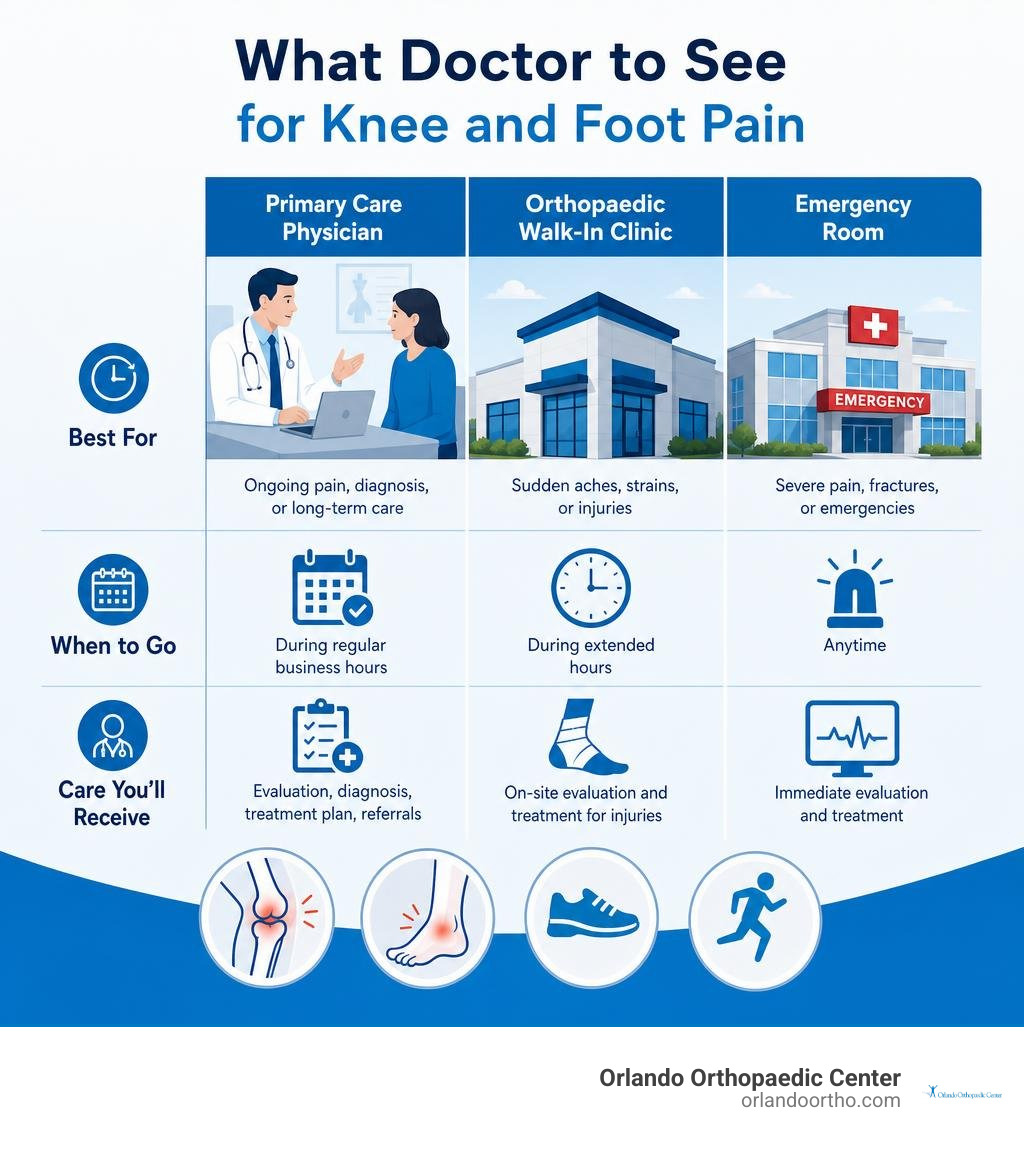
- When to Choose a Walk-In Clinic: If you suffer a sudden injury, twist your joint, develop immediate swelling, or cannot put weight on your leg without severe pain, visit a specialized orthopaedic walk-in clinic. You get fast access to diagnostic X-rays, splinting, and immediate specialist care without the high costs and long waits of a hospital emergency room.
- When to Schedule a Consultation: If your discomfort has developed gradually over several weeks or months, feels like chronic morning stiffness, or only flares up during specific exercises, a scheduled outpatient appointment allows your doctor to perform an in-depth evaluation and design a progressive treatment plan.
Warning Signs That Require an Orthopaedic Specialist

While mild muscle soreness often improves after a couple of days of rest, joint problems rarely go away on their own. Delaying professional care can cause minor tissue irritation to progress into chronic joint damage, making recovery take much longer.
Reviewing the checklist below can help you recognize when it is time to consult a doctor. To learn more about major symptoms, read our guide on whether is your knee pain serious 10 signs you shouldnt ignore.
- Joint Instability or “Giving Way”: If your knee suddenly buckles or feels like it cannot support your weight when turning, your ligaments may be stretched or torn.
- Mechanical Locking or Catching: Being unable to fully straighten or bend your knee usually indicates that loose tissue or a cartilage tear is physically blocking the joint mechanism.
- Persistent Swelling or Heat: Noticeable fluid buildup, visible puffiness, or skin that feels hot around your ankle or kneecap signals active inflammation that needs medical attention.
- Altered Walking Gait or Limping: Changing the way you step to avoid pain places unnatural stress on your hips and lower back, creating additional joint problems across your lower body.
- Nerve Numbness or Tingling: Sensations of pins and needles, burning pain, or numbness traveling down your lower leg into your toes suggest nerve pressure in your spine or leg that requires prompt evaluation.
How Doctors Diagnose and Treat Lower Body Joint Pain
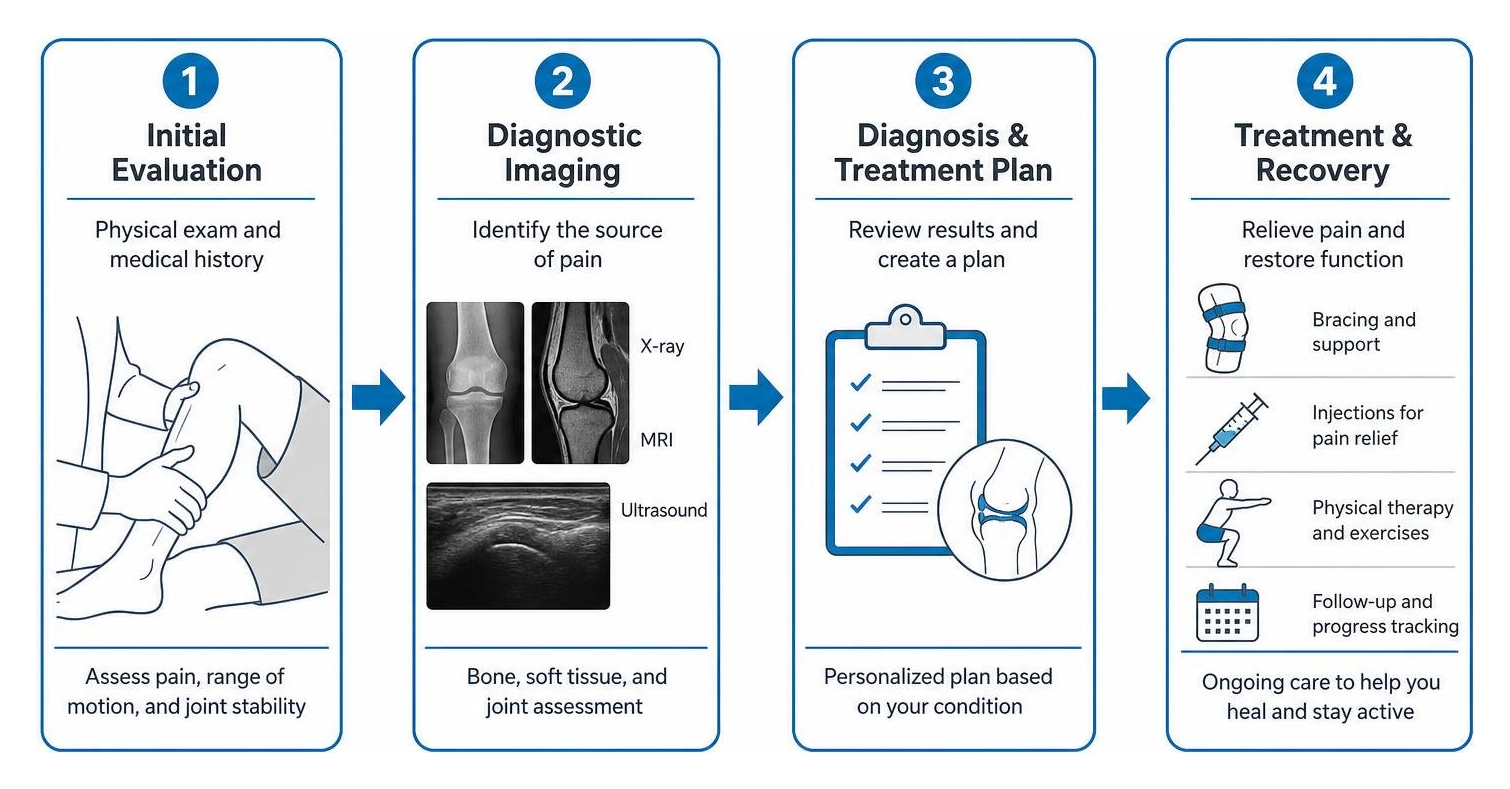
When you visit an orthopaedic specialist, your visit begins with a hands-on physical exam. Your doctor will gently test your range of motion, check joint stability, and press on specific areas to pinpoint the exact source of your pain.
Advanced Diagnostic Imaging
- Digital X-rays: High-resolution X-rays allow specialists to check bone alignment, spot stress fractures, and measure joint space narrowing caused by arthritis wear.
- Diagnostic MRI: For soft-tissue concerns, advanced MRI services provide clear cross-sectional views of muscles, tendons, ligaments, and cartilage, confirming whether a tear is present.
- Musculoskeletal Ultrasound: This real-time imaging tool helps doctors view moving tendons and accurately guide pain-relieving injections directly into the joint space.
Restorative Treatments
Most joint and soft-tissue problems resolve without surgery. Orthopaedic specialists emphasize practical, non-invasive therapies to restore natural movement:
- Targeted Physical Therapy: Structured physical therapy services strengthen the muscles supporting your knees, ankles, and hips, reducing direct impact on your joints.
- Custom Orthotics and Bracing: Specially fitted arch supports correct foot rolling and reduce twisting forces on your knees, while stabilizing braces protect healing ligaments during sports.
- Targeted Joint Injections: Cortisone or natural lubricating injections can calm severe inflammation and cushion arthritic joints so you can participate comfortably in physical therapy.
- Comprehensive Non-Surgical Programs: Exploring non-surgical treatment for chronic knee pain helps active adults manage symptoms effectively using activity adjustments, lifestyle changes, and guided rehabilitation.
- Precision Surgical Repair: When conservative treatments do not provide lasting relief, minimally invasive arthroscopic surgery (using small incisions and tiny cameras to repair torn tissues) or modern joint replacement can completely restore your mobility.
How to Choose the Right Specialist and Questions to Ask
Choosing the right doctor gives you confidence throughout your recovery. When evaluating specialists in your area, keep these important factors in mind:
- Board Certification: Always verify that your physician is board-certified in orthopaedic surgery or sports medicine. Certification demonstrates that the doctor has passed rigorous national medical exams and stays current with the latest treatment standards.
- Fellowship Training: Look for physicians who have completed fellowship training—an intensive additional year of hands-on subspecialty education focused entirely on foot and ankle care, sports injuries, or joint replacement.
- Patient-First Communication: A great doctor takes time to listen to your personal goals, explains your imaging results in everyday language, and outlines clear treatment steps.
- Careful Consideration of Red Flags: Be cautious of providers who rush through exams in a few minutes, push for immediate surgery without discussing conservative therapies, or dismiss your questions. Reliable orthopaedic care is built on patient education and mutual trust. For additional guidance on vetting healthcare providers, review educational resources from the American Academy of Orthopaedic Surgeons.
- Comfort with Second Opinions: A good surgeon will always welcome a second opinion, especially before major procedures, to ensure you feel entirely comfortable with your diagnosis and treatment pathway.
Questions to Bring to Your First Appointment
- What is the underlying cause of my joint or foot pain?
- Are my foot alignment and walking stride contributing to my knee discomfort?
- What non-surgical therapies should we try before considering surgery?
- How will physical therapy help stabilize my joint?
- What daily activity modifications should I make to protect my joint while it heals?
- If surgery ever becomes necessary down the road, what does the procedure and recovery timeline look like?
Frequently Asked Questions About Knee and Foot Specialists
What Doctor to See for Knee and Foot Pain When Both Joints Hurt?
When you experience pain in your knee and foot simultaneously, an orthopaedic doctor is the most appropriate specialist to consult. The human leg operates as a connected kinetic chain, meaning the movement of your foot directly controls the alignment and rotational forces placed on your knee joint.
An orthopaedic physician evaluates your bones, joints, and soft tissues together. By analyzing your walking posture, identifying flat feet or high arches, and checking knee tracking, they can build a combined care plan for managing knee pain while correcting foot mechanics at the same time.
Do I Need a Referral to Visit an Orthopaedic Doctor?
In most situations, you do not need a formal doctor’s referral to schedule an appointment with an orthopaedic specialist. Many patients book their visits directly to get faster answers for joint injuries or chronic aches.
However, your specific health insurance policy may require an initial referral from your family doctor to guarantee full insurance coverage. It is always wise to call your insurance provider or our administrative team to confirm your specific plan requirements before your appointment.
When Is Surgery Necessary for Knee or Foot Pain?
Surgery is rarely the first step in treating lower body joint pain. In most cases, patients find lasting relief through physical therapy, custom shoe orthotics, anti-inflammatory treatments, and activity adjustments.
Surgical intervention is generally reserved for situations where:
- Conservative non-surgical care has not brought sufficient pain relief after several months.
- A ligament or tendon is completely torn and cannot heal on its own.
- Loose cartilage fragments are physically locking the joint and preventing normal movement.
- Severe arthritis has worn away joint cartilage completely, making joint replacement the best option to restore pain-free walking.
Conclusion
Living with persistent joint discomfort limits your freedom, drains your energy, and keeps you from enjoying the active Central Florida lifestyle. Whether your pain stems from an old athletic injury, sudden morning heel aches, or gradual joint wear, seeking an early orthopaedic evaluation gives you access to simple, non-surgical therapies that protect your joint health for years to come.
Orlando Orthopaedic Center’s surgeons treat bones, joints, and soft tissue, offering complete care under one roof across our convenient locations. If joint or heel aches are slowing your stride, reach out to our team today for expert foot and ankle care and take your first step toward pain-free movement.